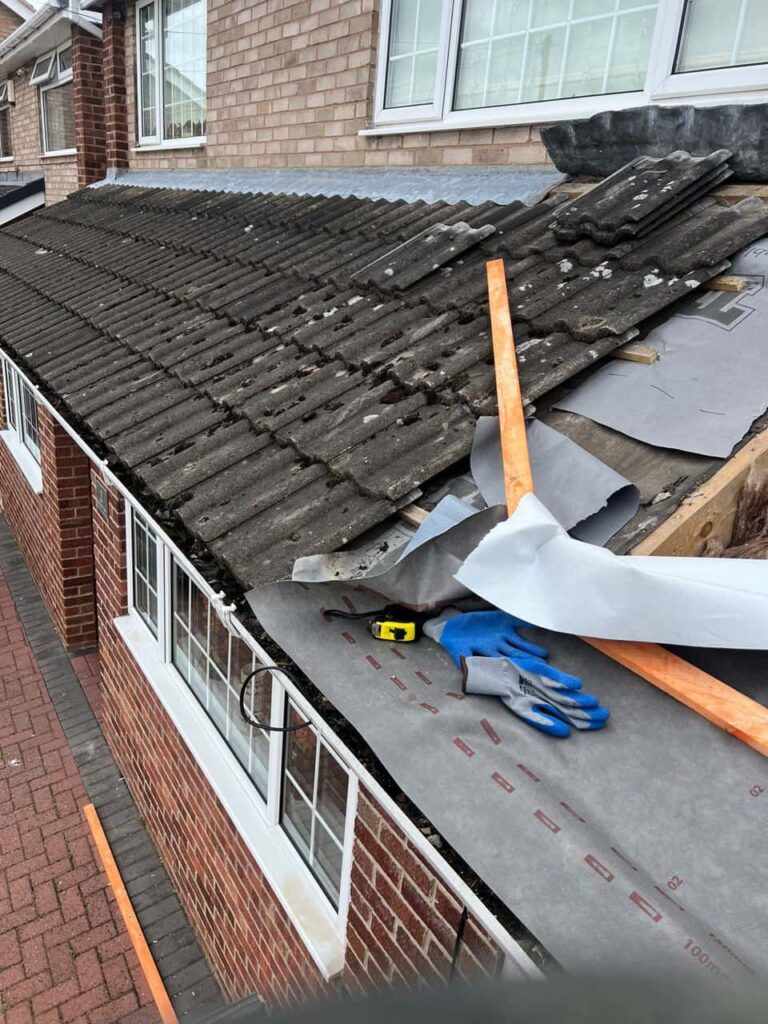
Not every change in a roof means immediate repair work is required. Roofs naturally experience weathering as they age, and some minor signs can simply be monitored. Other defects, however, can allow water to enter or place surrounding roofing materials under additional strain if they are left unattended.
The difficulty for homeowners is knowing which situation they are dealing with. A small visible defect can sometimes indicate a more significant problem, while something that looks concerning from ground level may not be affecting the roof’s performance.
For property owners in Sudbury, Suffolk, the safest approach is to consider whether the issue is actively compromising the roof or showing signs of deterioration. A professional assessment can establish whether action is needed now or whether the area can reasonably be monitored.
Signs That Help Determine Whether a Roof Needs Immediate Attention
The urgency of a roofing problem depends on its location, cause and effect on the wider roof. A defect should generally receive prompt attention when it is allowing moisture into the property, leaving part of the roof exposed or showing clear signs that deterioration is progressing.
Important warning signs include:
- Active water ingress or new damp patches inside the property
- Missing, slipped or significantly damaged tiles
- Loose ridge or hip tiles
- Damaged or displaced flashing
- Sections of flat roofing that have split, lifted or deteriorated
- Repeated leaks affecting the same area
- Visible movement within part of the roof covering
- Debris from roofing materials appearing around the property
These signs do not necessarily mean extensive work will be required. They do, however, indicate that the roof should be inspected rather than simply watched from a distance.
When Can a Roofing Issue Potentially Be Monitored?
Monitoring can sometimes be appropriate when a roof remains watertight and the observed change is minor, stable and not affecting the performance of surrounding materials.
For example, normal surface weathering does not automatically mean that a roof covering has failed. Certain cosmetic changes can develop as roofing materials age while the roof continues to perform effectively.
The distinction is whether the condition is stable or progressing. If a previously minor defect becomes larger, starts affecting neighbouring materials or is accompanied by moisture penetration, it has moved beyond something that should simply be observed.
Monitoring should therefore be an informed decision rather than a reason to ignore an uncertain roofing problem.
Active Leaks Should Not Simply Be Monitored
Water entering a property is one of the clearest indications that a roof requires attention.
A roof leak may appear as a damp patch, staining on a ceiling, moisture around the roof space or water becoming visible during rainfall. Importantly, the location where moisture appears internally is not always directly beneath the original roof defect.
Water can travel along roofing components before becoming noticeable, which means identifying the source is often more important than treating the visible internal symptom.
Even intermittent leaks deserve investigation. If water only appears during particular wind directions or periods of heavy rainfall, there may still be a defect within the roof covering that needs to be identified.
Pay Attention to Changes Rather Than Appearance Alone
One of the most useful ways to judge a roof problem is to consider whether it is changing.
A tile that has moved further out of position, a crack that is becoming larger or a damp patch that returns after rainfall provides evidence that the problem is active. Likewise, repeated loss of roofing materials can suggest that a wider section is becoming vulnerable.
Keeping track of when a problem first appeared and whether it has progressed can provide useful information during a roof assessment.
However, monitoring from ground level has limitations. Many important roof defects are difficult to see without inspecting the covering more closely, so the absence of an obvious change does not always confirm that everything is sound.
Missing and Slipped Tiles Usually Deserve Investigation
Tiles form an overlapping covering designed to direct rainwater safely down the roof. When a tile slips or disappears, materials underneath can become more exposed to the weather.
A single affected tile may only require a localised repair, particularly when the surrounding roof is in good condition. Nevertheless, leaving it indefinitely can allow a relatively contained problem to develop further.
It is also important to determine why the tile moved. A damaged tile, weakened fixing or deterioration within the supporting area can all produce similar visible symptoms.
Correctly identifying the cause helps ensure that any repair addresses the problem rather than simply replacing what can be seen.
Recurring Roof Problems Are an Important Warning Sign
A roof that develops an isolated defect is different from one that repeatedly requires attention.
If leaks, loose tiles or other defects continue appearing in the same section, the underlying cause may not have been fully addressed. If problems are appearing across different sections of the roof, the overall condition of the covering may need closer examination.
Repeated problems are particularly useful when deciding whether continued monitoring remains appropriate. A history of recurring defects can indicate that deterioration is progressing even if each individual problem initially appears relatively minor.
A whole-roof assessment can provide a clearer understanding of whether the issues are genuinely isolated or connected.
Check the Roof After Periods of Poor Weather
Roofing defects can become more noticeable after strong winds and prolonged or heavy rainfall. Materials that were already weakened may move, crack or become displaced when exposed to additional weathering.
After poor weather in Sudbury, it can be useful to look from ground level for obvious changes such as slipped tiles, displaced materials or debris. Internal areas can also be checked for new staining or signs of moisture.
Homeowners should avoid climbing onto a roof to investigate. Many defects can only be assessed properly at roof level, and professional inspection provides a safer and more reliable way to establish what has happened.
Why the Condition of the Surrounding Roof Matters
A roofing defect should rarely be considered completely in isolation.
For example, replacing one damaged tile may be perfectly appropriate when neighbouring tiles, fixings and supporting components remain sound. The same visible defect may require a different approach if surrounding materials are also deteriorating.
Roofers therefore look at both the immediate problem and its context. This helps determine whether a targeted repair is likely to provide a reliable solution or whether another underlying issue requires attention.
This wider assessment is particularly valuable when the roof has developed several symptoms rather than one clearly defined defect.
The Difference Between Cosmetic and Functional Deterioration
Appearance alone does not always indicate how well a roof is performing.
Roofing materials can naturally change in appearance as they weather. Surface discolouration or other cosmetic changes may not affect the roof’s ability to keep the property protected.
Functional deterioration is different. Cracks, displacement, failed joints, damaged flashing, openings and water penetration can affect how effectively the roofing system performs.
Understanding this distinction can prevent unnecessary concern about normal ageing while ensuring genuine defects are not dismissed as cosmetic changes.
Why Professional Roof Assessment Can Remove the Guesswork
From ground level, it can be difficult to judge the condition of individual roofing components accurately. Some defects are concealed by overlapping materials, while others only become apparent when the surrounding area is examined closely.
A professional roof assessment can establish:
- What has caused the visible problem
- Whether the defect is active or stable
- Whether surrounding materials are affected
- Whether water has penetrated beneath the covering
- Whether a localised repair is appropriate
- Whether the area can reasonably continue to be monitored
This provides a much stronger basis for deciding what the roof actually needs rather than acting purely on appearance or waiting for an obvious leak to develop.
Roof Inspections and Repairs in Sudbury, Suffolk
For homeowners in Sudbury, Suffolk, identifying roofing problems at the appropriate stage can help keep defects contained and maintain the performance of the existing roof.
At Sudbury Roofing Repairs, we assess roofing concerns with attention to both the visible defect and the condition of the surrounding area. Where a problem needs repairing, the aim is to identify its cause and carry out appropriate work. Where immediate intervention is not necessary, a proper assessment can also provide useful clarity about the condition that should be monitored.
This measured approach helps homeowners make decisions based on the actual condition of their roof rather than assumptions.
Conclusion
Knowing whether a roof needs attention now or can be monitored comes down to understanding whether the problem is stable, progressing or already affecting the roof’s ability to protect the property.
Active leaks, missing materials, significant movement and recurring defects should be investigated promptly. Minor, stable changes may sometimes be suitable for monitoring, provided there is no evidence that the roof’s performance has been compromised.
If you have noticed a change in your roof and are unsure whether it requires repair, contact Sudbury Roofing Repairs in Sudbury, Suffolk. A professional assessment can identify the condition of the affected area and help determine the most appropriate next step without recommending unnecessary work.
Call us on: 01787 326 696
Click here to find out more about Sudbury Roofing Repairs
Click here to complete our contact form and see how we can help with your roofing needs